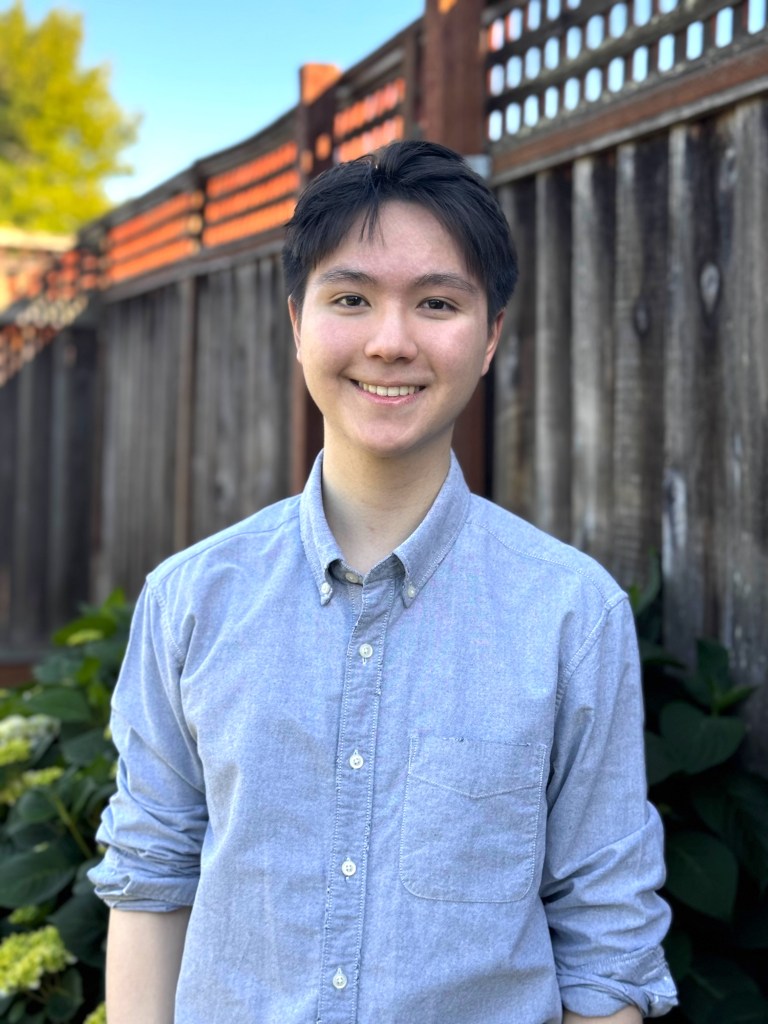
Hi, I’m Peter Watts, a bay area high school student and online SNTutor for piano. I’ve been playing classical piano for over eleven years, and I’ve been teaching advanced-level piano and music theory to one student through SNTutoring. It’s turned into one of the most meaningful experiences in my musical journey, and I’d like to share my journey here in this blog post.
After over a decade of classical piano learning, it felt like a natural progression to begin teaching it myself. Moreover, I had already volunteered with FCSN, both at their social events and their facilities, and I was inspired by the caring, inclusive environment they created. That experience with FCSN made me even more excited to contribute through teaching piano.
Still, I’ll admit: I was nervous. Not because I didn’t know my music theory or technique—I’d practiced those for years—but because teaching someone with unique needs felt unfamiliar. I wondered: Would I know how to communicate clearly? Would I be able to help them feel seen and understood? When we began our lessons, I chose to continue working with the piano book my student had already started, adapting my teaching to build on what was familiar to them rather than imposing a different piano lesson book series.
However, these worries of mine quickly went away. Through structured lessons—warm-ups, theory drills, and polishing pieces—I learned to do more than just listen to my student’s playing: more importantly, I learned to observe how my student responded to my feedback. What helped them improve? What caused confusion or frustration? These questions guided how I adjusted my teaching. I also always give my student the choice of starting with theory or pieces, which has helped them feel more in control and comfortable. If a warm-up needed extra time, we focused on it—even if it meant postponing other goals. I also found small creative adjustments that made a big difference in our lessons—color-coded markings with my Apple Pencil, handwritten notes for at-home practice, and verbal reminders we’d repeat together. I also realized how important the learning environment was. I set up two cameras during our lessons—one iPhone camera pointing at the keyboard to demonstrate hand placement and technique, and one iPad camera facing me, which I also use to screen share annotated notes and theory examples in real time. I also tidy up my piano area to minimize distractions, and I blur the background of my camera so my student isn’t distracted.
As our lessons progressed over the weeks, I saw steady improvement in my student’s focus, musicality, and self-assurance—along with clear growth in specific areas like tempo control, ear training, and sight reading (reading notes for the first time). These improvements happened gradually—they came from both of us being patient and putting in effort each week.
I was especially touched when my student’s parent shared this with me: “Teacher Peter is super patient with my son, he would talk slower and wait for my son’s response to make sure he understands before moving on to the next topic. He would point out the details in a piece that need to be improved in a way that’s easy for my son to accept and feel confident. He is also very prompt in all classes and often stays overtime. I have seen great progress in my son!“
Further, tutoring also reminded me why I love music. It’s not just about preparing for recitals or mastering repertoire or my self-growth—it’s about inspiring growth in my student, and giving them confidence. And for that, I’m incredibly grateful.
 SNTutoring